
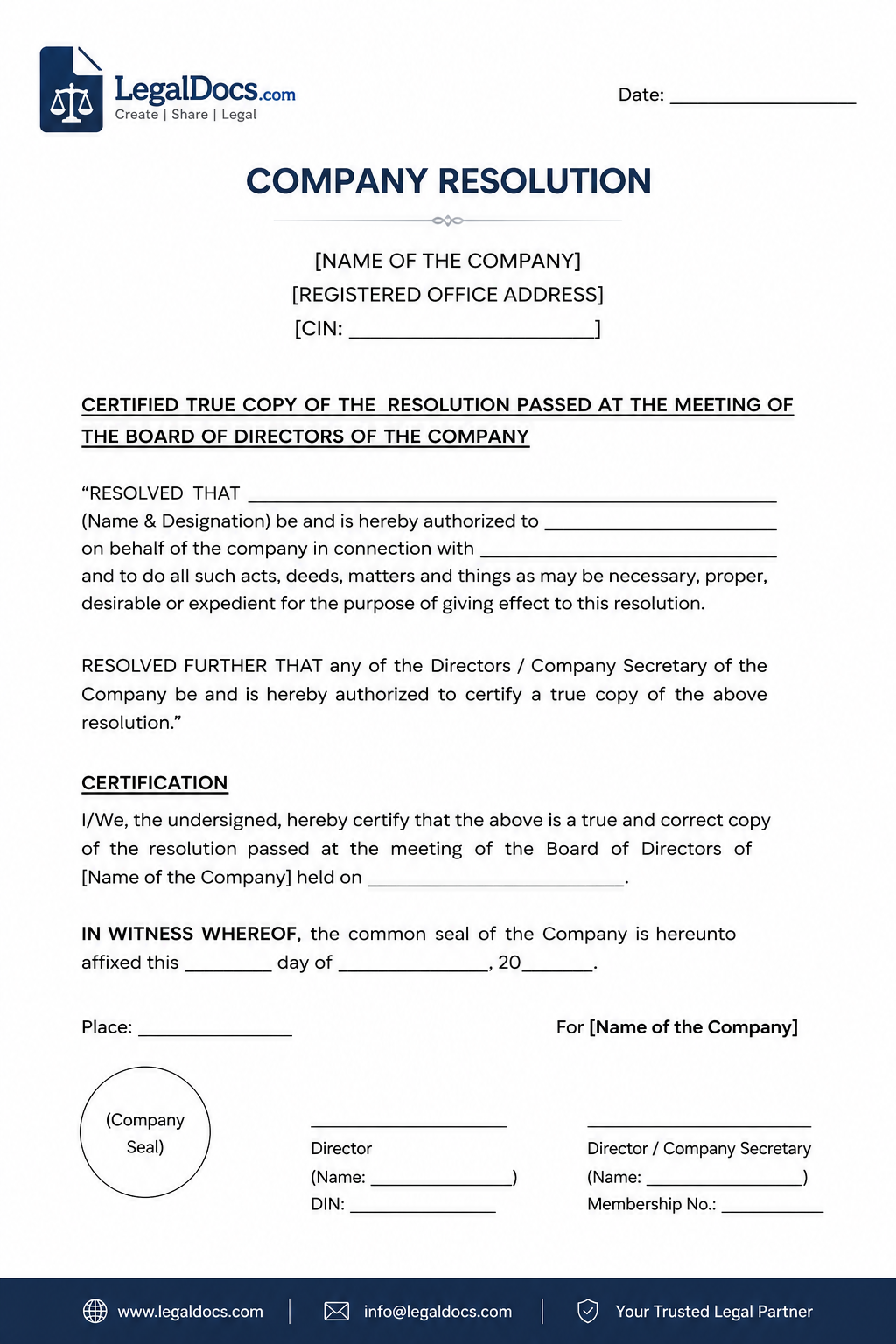
Company Resolution Format The Complete Guide Every Business Owner Should Actually Understand If you have ever sat in a small conference room, staring at a laptop screen, trying to figure out how to word a “resolution” for your company so that a bank, a government office, or an auditor will actually accept it, you already know the real problem. It is not that resolutions are difficult to write. It is that most of the guidance available online is either too legal, too vague, or copied word-for-word from one website to another without anyone explaining why a resolution is structured the way it is. This guide is different. We are going to walk through company resolutions the way a company secretary, a startup founder, or a small business owner actually experiences them — not as an abstract legal concept, but as a document you need on a Tuesday afternoon because your bank suddenly wants “board approval” before they’ll let you open a current account. By the end of this article, you will understand what a company resolution actually is, the different types you will run into, the exact format that works across most jurisdictions, and you will have ready-to-adapt templates for the situations that come up again and again in real business life — appointing a director, opening a bank account, taking a loan, changing your registered office, and a dozen other everyday scenarios. Let’s get into it. What Exactly Is a Company Resolution? At its core, a company resolution is simply a formal, written record of a decision. That’s it. Strip away the legal language and what you’re left with is a company saying: “We, the people authorized to make this decision, have made this decision, and here is the proof.” Companies are not run by a single person shouting instructions across an office (even when it sometimes feels that way). Legally, a company is a separate entity from its owners and directors. Because of that separation, the company cannot simply “decide” something the way a person does. It needs its decisions to be made through proper channels — usually the board of directors or the shareholders — and those decisions need to be documented so that: Banks and financial institutions know who is authorized to act on the company’s behalf Government departments and regulators have a paper trail for compliance Auditors can verify that major decisions followed the correct internal process Future disputes (between shareholders, directors, or third parties) can be resolved by referring back to what was actually agreed Think of a resolution as the company’s version of a signed contract with itself. It doesn’t just record what was decided — it proves that the decision was made properly, by the right people, following the right process. Why Resolutions Matter More Than People Think New business owners often treat resolutions as paperwork — something to rush through so the bank stops bothering them. That mindset causes problems later. Here’s a scenario that plays out constantly: a two-person company opens a bank account with a resolution authorizing “Director A” to operate it. Two years later, the company wants to add a co-signatory, but nobody can find the original resolution, and nobody remembers exactly what powers were granted. Now the bank wants a fresh resolution, the accountant wants to see the old one for reconciliation, and the whole thing turns into a week of back-and-forth emails that could have been avoided with a simple, well-organized resolution register from day one. Resolutions matter because they: Create legal certainty. Anyone reading the resolution — today or five years from now — should understand exactly what was decided, by whom, and when. Protect directors and shareholders. If a decision later turns out to be controversial, a properly passed resolution shows that due process was followed. Satisfy statutory requirements. Company law in virtually every country requires certain decisions (like altering share capital, appointing auditors, or changing the company’s name) to be backed by a resolution. Enable third parties to trust the company. A bank, a landlord, or a supplier dealing with a company wants proof that the person signing on the company’s behalf is actually allowed to. The Two Big Categories: Board Resolutions and Shareholder (General Meeting) Resolutions Before we get into formatting, it helps to understand who is passing the resolution, because that changes both the format and the legal weight of the document. 1. Board Resolutions These are decisions made by the board of directors — the people responsible for the day-to-day management and strategic direction of the company. Board resolutions typically cover operational and managerial matters such as: Opening or closing bank accounts Appointing or removing authorized signatories Approving routine contracts Appointing company officers (like a company secretary) Approving a loan below a certain threshold Calling a general meeting of shareholders A board resolution is usually passed either during a formal board meeting or through a circular resolution (more on that shortly), and it only needs the approval of the directors — not the shareholders. 2. Shareholder Resolutions (General Meeting Resolutions) Some decisions are considered significant enough that the law requires the shareholders — the actual owners of the company — to approve them directly. These are passed at a general meeting (Annual General Meeting or Extraordinary General Meeting) and come in two flavors: Ordinary Resolution — passed by a simple majority (usually more than 50%) of shareholders voting. Special Resolution — requires a higher threshold, commonly 75% or more, because the decision is considered more significant. Examples include altering the company’s Memorandum or Articles of Association, changing the company’s name, reducing share capital, or approving a merger. Understanding this distinction matters because using the wrong type of resolution — say, passing a board resolution for something that legally requires a special resolution — can make the decision invalid, and that can create real legal exposure down the line. Other Types of Resolutions You Should Know About Beyond the board/shareholder split, there are a few other resolution types that come
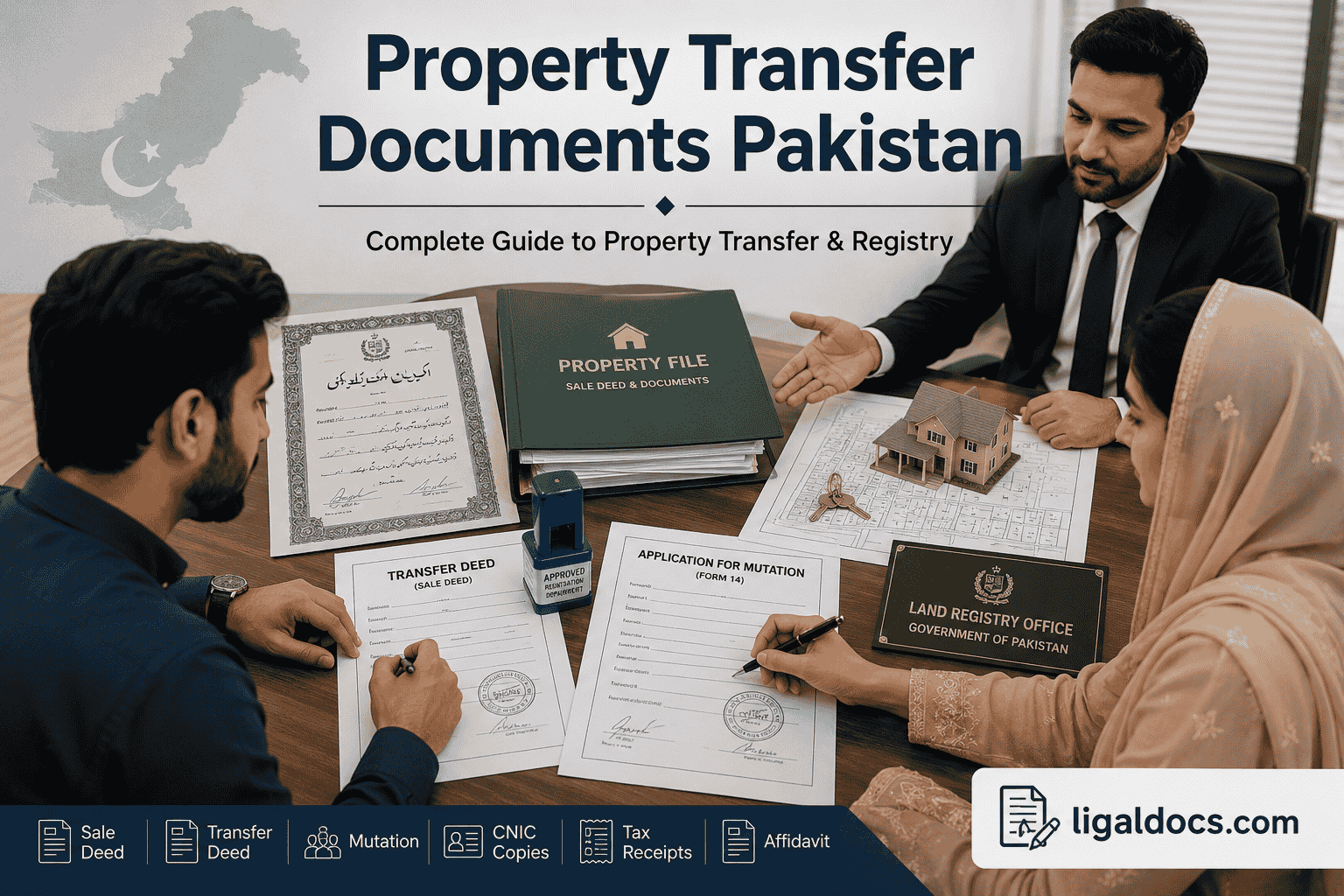
how is property transfer documents Pakistan
Property Transfer Documents in Pakistan: The Complete Guide Nobody Explained to You Properly A few months ago, a friend of mine finally sold a small plot he had been holding in Lahore for almost eight years. He thought it would take a week, maybe two. It took closer to two months, three trips to the sub-registrar’s office, one argument with a patwari who “misplaced” a file, and a late-night phone call to a lawyer he found through a cousin’s friend. When it was all done, he told me the same thing almost everyone who has sold or bought property in Pakistan eventually says: “Nobody tells you what papers you actually need until you’re standing in front of an official who wants one you don’t have.” That’s really the whole problem in one sentence. Property transfer in Pakistan isn’t complicated because the law is unusually difficult. It’s complicated because the process is scattered across different offices, different provinces have different rules, and most of what people know comes from half-remembered advice passed between relatives rather than from any single, clear source. This guide tries to fix that. It walks through every document you’re likely to need, why each one exists, how the registry and mutation process actually works, what the taxes look like, and where people commonly get tripped up — whether you’re buying your first plot, selling a family home, transferring property as a gift, or dealing with inheritance after a loved one passes away. A quick note before we start: property law in Pakistan touches federal tax rules, provincial land laws, and local society regulations all at once, and all three change from time to time. Tax rates in particular have been revised more than once in recent budgets. Treat the figures here as a solid working understanding, not a substitute for checking the current rate with FBR or your local registrar’s office before you sign anything. Why Property Transfer in Pakistan Feels Harder Than It Should Before getting into the documents themselves, it helps to understand why the system is structured the way it is, because that context makes the paperwork make sense. Ownership of immovable property in Pakistan isn’t recorded in one single step. It’s recorded in two separate systems that have to work together: The first is the registry system, which is about legally recording the transaction itself — the sale, gift, or exchange agreement between two parties, witnessed and stamped by the state. The second is the land revenue system, which is about updating who officially owns the land in the government’s own records, so that when someone later checks who owns a piece of land, your name is the one that comes up. You can complete the first step and still not be the recorded owner in the government’s books if you skip the second. This is exactly what trips up so many buyers — they hold a registered sale deed, feel secure, and don’t realize that without mutation, their name was never actually entered into the revenue record. If a dispute arises later, or the seller acts dishonestly and tries to sell the same land again, the buyer who only has a registry and no mutation is in a much weaker position. Add to this the fact that a housing society transfer works completely differently from a government land registry, that Punjab, Sindh, Khyber Pakhtunkhwa, and Islamabad each run their own systems with their own portals and fee structures, and that federal tax laws sit on top of all of it — and you start to see why even experienced property investors keep a lawyer on speed dial. None of this means the process is impossible to understand on your own. It just means you need to know what you’re walking into before you start, which is exactly what the rest of this article covers. A Quick Glossary Before We Go Further One thing that makes property paperwork in Pakistan extra confusing for a lot of people, especially younger buyers or Pakistanis living abroad, is that half the vocabulary is in Urdu, borrowed from Persian or Arabic legal terms, and nobody ever sits down to explain what they actually mean. So before diving deeper, here’s a short glossary you can come back to. Fard — a record-of-rights extract showing who currently owns a piece of land, according to government revenue records. Intiqal (Mutation) — the process of updating that revenue record to reflect a new owner after a transfer. Bai Nama — literally “sale letter,” the formal sale deed that transfers ownership. Bayana — token or advance money paid to lock in a deal before the final transaction. Patwari — the local revenue official traditionally responsible for maintaining land records at the village or tehsil level; much of this role has now shifted to digital Arazi Record Centers in Punjab, though the patwari system still operates in various forms across the country. Khasra number — the specific identifying number assigned to a parcel of agricultural or rural land in the revenue record, similar in purpose to a plot number in an urban housing scheme. Hiba — a gift of property, valid under Islamic law, typically now formalized through a written and registered gift deed. Wirasat — inheritance; the transfer of property to legal heirs after an owner’s death. NDC — Non-Demand Certificate, confirming no outstanding dues remain on the property. Stamp duty — a provincial tax charged on legal documents, including sale deeds, calculated as a percentage of property value. CVT — Capital Value Tax, another provincial tax on the transaction value. Keep this list handy. You’ll see these terms again throughout the rest of this guide, and they’ll come up constantly in conversations with lawyers, deed-writers, and registrar staff. The Legal Backbone: What Law Actually Governs Property Transfers You don’t need to become a lawyer to buy or sell property, but it’s genuinely useful to know which laws are working behind the scenes, because they explain why certain documents are non-negotiable.
how is tenancy agreement Pakistan sample
Renting a House in Pakistan? Here’s the Tenancy Agreement Sample I Wish Someone Had Given Me A friend of mine moved into a flat in Lahore last year without signing anything beyond a WhatsApp message confirming the rent amount. Four months in, the landlord showed up asking for an extra Rs. 5,000 “because gas prices went up,” even though nothing like that had ever been discussed. My friend paid it, grumbled about it for a week, and moved on — because there was nothing in writing to push back with. That’s the story behind this article. Not a textbook explanation of tenancy law, but a walkthrough of what actually goes into a proper rent agreement in Pakistan, told in the order you’d actually experience it — from the day you first look at a property to the day you hand back the keys. Somewhere in the middle, you’ll find a complete sample agreement you can print and use. Let’s walk through it stage by stage. Stage One: Before You Even Talk About an Agreement Before any paperwork gets drafted, there’s a conversation that needs to happen between the landlord and the prospective tenant. Skipping this stage is where most future arguments get planted. Here’s what should get discussed out loud, before anyone starts drafting anything: None of this needs a lawyer in the room. It just needs both people to say the numbers out loud and agree on them clearly, so that when it’s time to put pen to paper, there’s no “wait, I thought we said something different” moment. Stage Two: Understanding What the Law Actually Says Pakistan’s rental laws aren’t centralized under one single act — each province runs its own version. Punjab operates under the Punjab Rented Premises Act, 2009. Sindh still largely relies on the Sindh Rented Premises Ordinance, 1979. Khyber Pakhtunkhwa and Islamabad Capital Territory each have their own parallel legislation, and Balochistan has its own framework too. Despite the different names, the underlying logic is nearly identical across all of them: One honest disclaimer worth repeating: provincial laws get amended from time to time, and the exact procedural details can shift. If you’re dealing with a genuinely serious dispute, or a property worth a significant amount of money, this article is a starting point for understanding the landscape — not a substitute for sitting down with a property lawyer familiar with your specific city. Stage Three: Stamp Paper and Registration — The Confusing Part, Simplified This is the part that trips people up the most. Two separate things get lumped together in people’s minds: putting an agreement on stamp paper, and formally registering it. Stamp paper is just the physical paper the agreement gets printed or written on — it carries a small government duty and is available from any stamp vendor near a courts complex. Most residential agreements in Pakistan are done this way, on a modest denomination, usually somewhere in the range of a couple hundred rupees depending on the province. Registration is a separate, more formal step, done at the sub-registrar’s office, and it’s more common for commercial leases, longer-term agreements, or higher rent values. For an ordinary house or flat rental between two individuals, most people skip formal registration and simply rely on the stamp-paper agreement, signed and witnessed. If you’re not sure which category your situation falls into, a five-minute chat with a stamp vendor or a local property dealer will usually clear it up — this isn’t something that requires a formal legal consultation in most ordinary cases. Stage Four: Building the Agreement, Clause by Clause Here’s where we get into the actual content of a good tenancy agreement — the building blocks, explained one at a time, before you see the full sample put together. Identifying both parties properly. Full names, CNIC numbers, and permanent addresses for the landlord and the tenant. If there’s a guarantor involved — fairly common when a tenant is new to a city and doesn’t have an established rental history — their details belong here too. Describing the property in detail. Not just the address, but the number of rooms, bathrooms, parking spots, and whether it’s furnished. Vague descriptions cause vague arguments later. Setting the term clearly. Most residential leases in Pakistan run eleven months, sometimes exactly a year. Eleven months is a common local convention — partly tied to certain registration thresholds, partly just how the market has always operated. There’s no rule saying it must be eleven months; it’s simply what most people default to. Rent and payment mechanics. The amount, the due date, and the payment method. A small grace period — say, five days past the due date without penalty — is a reasonable and common addition. Security deposit terms. Usually one to two months’ rent. The agreement needs to say clearly when it gets refunded and what can be deducted from it. Advance rent, if applicable. Some landlords ask for two or three months upfront. If that’s part of your deal, write down exactly how many months and whether it counts toward future rent. Utility responsibility. State plainly who pays the electricity, gas, water, and internet bills. This single line prevents an enormous share of rental disputes in Pakistan. Maintenance split. Minor stuff (a dripping tap, a stuck door) usually falls on the tenant. Bigger structural issues (roof leakage, wiring problems) usually fall on the landlord. Write this down instead of assuming it’s obvious — it rarely is, to either party. Rent increase terms. If there’s a cap on how much rent can go up at renewal, put a number on it. This single clause is what stops the classic “surprise 30% increase” story that comes up constantly in rental horror stories here. Subletting rules. Most landlords don’t want tenants subletting rooms to strangers without permission. State this outright. Notice period for ending the tenancy. One to two months is typical for residential properties in Pakistan; commercial leases often use longer windows. Grounds for eviction. Non-payment,
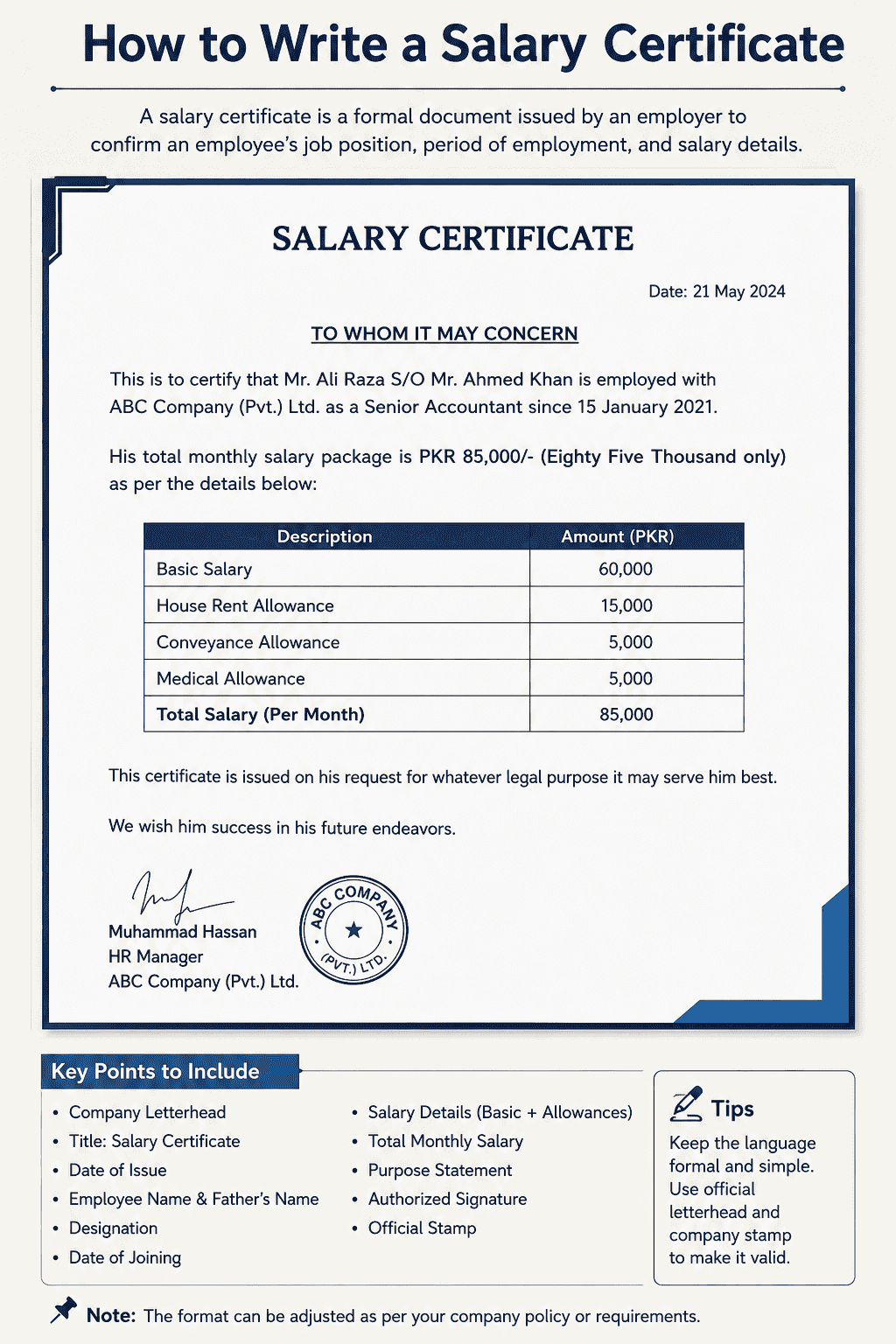
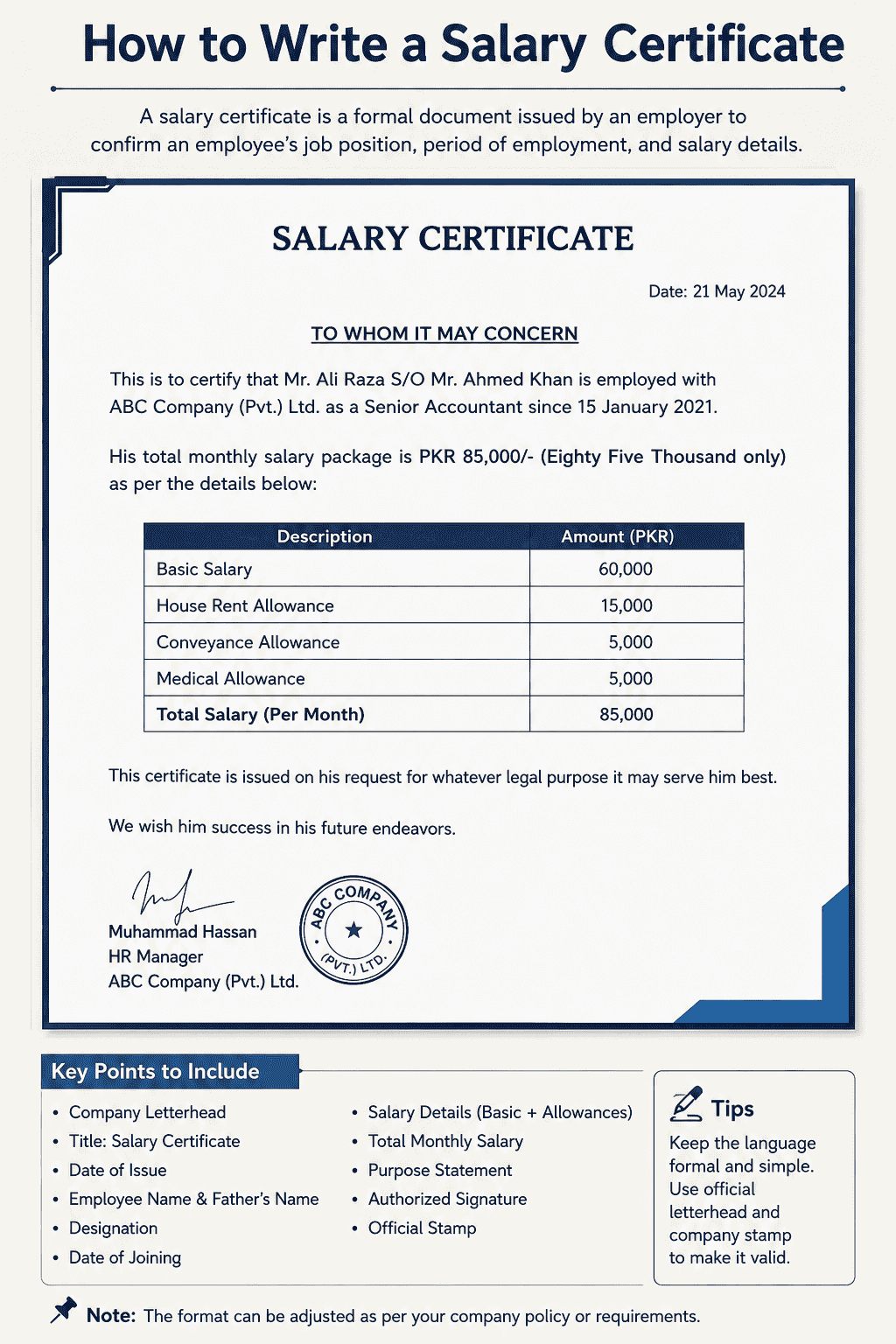
How to write a salary certificate
How to Write a Salary Certificate: A Complete Guide for Employers and Employees If you’ve ever applied for a bank loan, a new apartment, a visa, or even a credit card, chances are someone has asked you for a “salary certificate.” For a document that shows up so often in everyday life, it’s surprising how many people — HR staff included — aren’t quite sure what should go into one, how it’s different from a salary slip, or how to format it so it actually gets accepted the first time round. This guide walks through everything you need to know: what a salary certificate is, why it matters, who can issue one, exactly what to include, how to structure it, and where people usually go wrong. Whether you’re an HR manager writing one for an employee, a small business owner handling payroll yourself, or an employee who needs to request one from your company, you’ll find practical, ready-to-use guidance here — along with sample templates you can adapt right away. What Exactly Is a Salary Certificate? A salary certificate is a formal written statement, issued by an employer, confirming that a particular person is employed with the company and earns a specific salary. It’s essentially proof of income and proof of employment rolled into one short document. Unlike a payslip, which is generated automatically every month and lists deductions, taxes, bonuses, and net pay for that specific period, a salary certificate is a one-off document, usually requested for a particular purpose. It’s shorter, more general, and often written on the company’s official letterhead with a signature and stamp from HR or a senior manager. Banks, embassies, landlords, and lending institutions all rely on this document because it gives them a quick, verifiable snapshot: this person works here, has worked here for this long, and earns this much money. That’s often all they need to assess whether someone is a reliable applicant for a loan, a rental agreement, or a visa. Salary Certificate vs. Salary Slip — What’s the Real Difference? People mix these two up all the time, so it’s worth clearing up before we go any further. A salary slip (or payslip) is issued every pay cycle — monthly, in most companies. It breaks down the employee’s earnings for that specific month: basic pay, allowances, overtime, tax deductions, provident fund contributions, and the final take-home amount. It’s a record of what was actually paid. A salary certificate, on the other hand, isn’t tied to any particular month. It’s a summary document that states the employee’s current salary, job title, and length of service, and it’s usually requested for a specific external purpose — like proving income to a bank. It doesn’t show deductions or itemized breakdowns; it simply confirms facts about employment. So if someone asks you for a “salary certificate,” don’t just hand over last month’s payslip — they’re two different things, and using the wrong one can delay whatever process the person is trying to complete. Why Do People Need a Salary Certificate? There are quite a few situations where this document becomes necessary, and knowing the purpose actually helps you write a better one, because the tone and details you emphasize can shift slightly depending on who’s going to read it. Bank loans and mortgages. This is probably the most common reason. Banks want to see stable, verifiable income before they approve a personal loan, car loan, or home mortgage. A salary certificate reassures them that the applicant has a steady paycheck coming in. Credit card applications. Similar idea — credit card companies want proof that you can pay your bills. Visa applications. Embassies frequently ask for proof of employment and income to assess whether an applicant has ties back home and the financial means to travel. A well-written salary certificate can make a real difference here. Renting an apartment. Landlords and property agents often want assurance that a tenant can actually afford the rent before signing a lease. Government or legal documentation. Sometimes salary certificates are needed for tax purposes, court proceedings, immigration cases, or applying for government subsidies or scholarships for children. Opening a bank account or applying for insurance. Some banks require proof of income even to open certain types of accounts, and insurance companies may ask for it when calculating premiums for income-based policies. Because the same document might be read by a bank officer, an embassy staff member, or a landlord, it helps to keep the language formal, neutral, and fact-based — nothing flashy, just clear information that answers exactly what the reader needs to know. Who Is Allowed to Issue a Salary Certificate? Only the employer — or someone authorized within the company, usually from the HR department, finance department, or a senior manager — can issue a salary certificate. This is important because the document is only credible if it comes from an official, verifiable source. In smaller companies without a dedicated HR department, the certificate is often signed directly by the owner, director, or accountant. What matters isn’t the job title of the signer, but that they have the authority to confirm employment details on behalf of the company, and that their signature can be verified if the receiving party wants to check. Employees themselves cannot write their own salary certificate and get it “confirmed” — the whole point of the document is that it comes from an independent, authoritative source, not from the person whose income is being verified. The Essential Components of a Salary Certificate Before jumping into templates, let’s go through the individual pieces that need to be present. Missing even one of these can cause the certificate to get rejected by a bank or embassy, so it helps to treat this almost like a checklist. 1. Company letterhead The certificate should be printed on the official letterhead of the company, showing the company name, logo, address, and contact details. This immediately signals authenticity. 2. Date of issue Always include the date the certificate
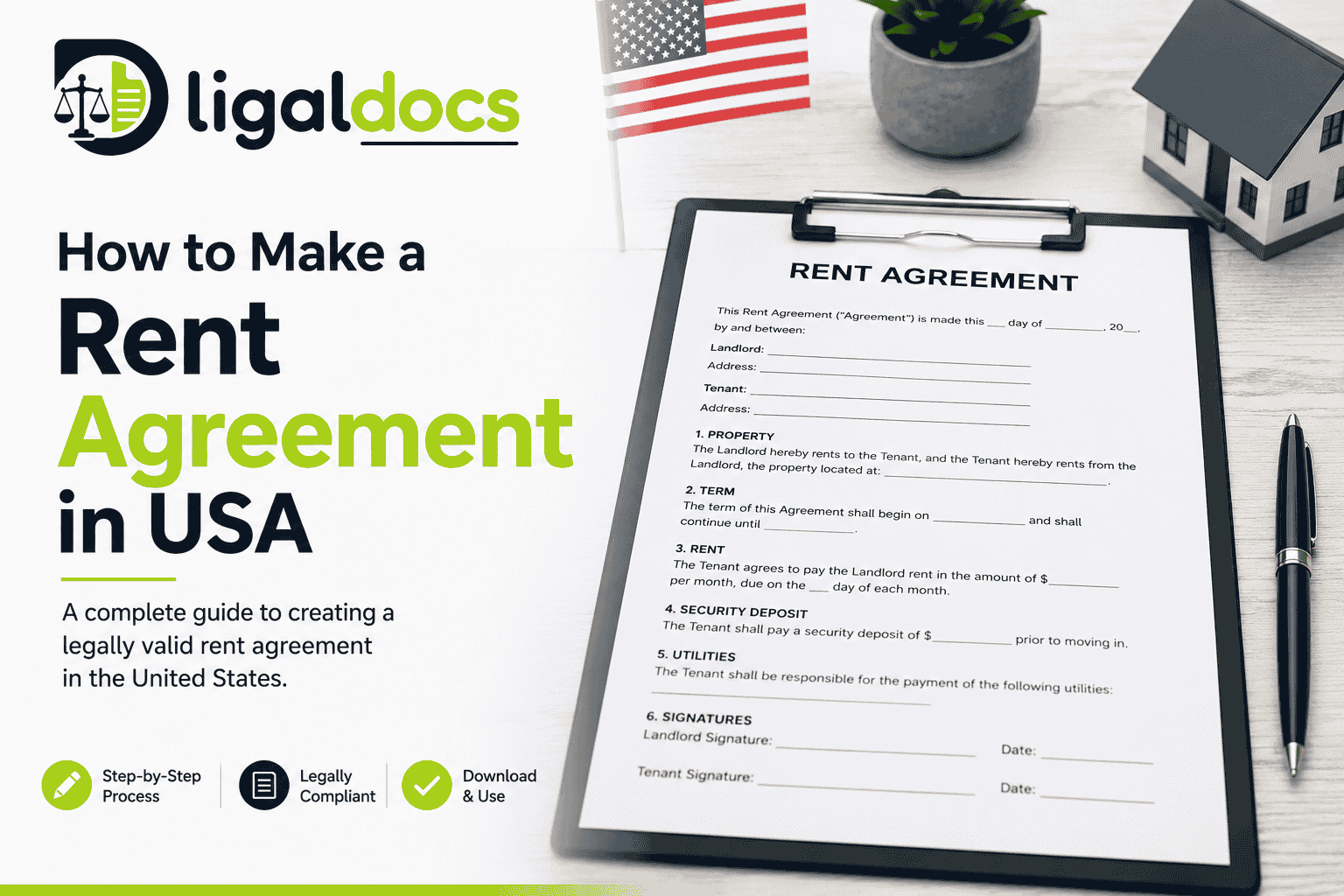
How to Make a Rent Agreement in the USA
How to Make a Rent Agreement in the USA: A Real-World Guide for Landlords and Tenants Renting out a house isn’t complicated until something goes wrong. Maybe the tenant stops paying on the 3rd of the month instead of the 1st and swears “that’s what we agreed on.” Maybe the landlord shows up unannounced to “check on things” and the tenant feels their privacy was violated. Maybe the security deposit turns into a three-month argument over a carpet stain that was there before move-in anyway. Almost every one of these disputes traces back to the same root cause: a rent agreement that was either missing, rushed, copied from a random Google search, or so vague that both sides can read it however they want. If you’re a landlord renting out your first property, or a tenant who wants to understand what you’re actually signing, this guide walks through the entire process of creating a rent agreement in the United States — not in stiff legal language, but in plain terms, the way a friend who happens to know this stuff would explain it over coffee. By the end, you’ll know what a rent agreement actually is, why it matters more than people assume, what has to go into it, how state laws change the picture, and the mistakes that turn a simple rental into a legal headache. What a Rent Agreement Really Is (and Why “Rental Agreement” and “Lease” Aren’t Exactly the Same) People throw around “lease” and “rental agreement” like they’re interchangeable, and honestly, in casual conversation, they mostly are. But if you want to be precise about it, there’s a small but real difference. A lease usually locks both sides into a fixed period — six months, a year, sometimes longer. Neither party can just walk away in the middle of that term without consequences spelled out in the contract. Rent can’t be raised mid-lease unless the agreement specifically allows it. A rental agreement, technically speaking, often refers to a month-to-month arrangement. It renews automatically unless either the landlord or tenant gives proper notice to end it. This gives both sides more flexibility, but also less certainty — a landlord can typically raise the rent or end the tenancy with 30 days’ notice (sometimes more, depending on the state and how long the tenant has lived there). For this guide, we’ll use “rent agreement” as the general umbrella term most people search for, but we’ll flag the difference where it actually matters, because it changes how you draft certain clauses. Why You Actually Need a Written Agreement Here’s something a lot of new landlords don’t realize: in most states, a verbal agreement to rent a property is technically still a contract. Courts can and do enforce oral leases in certain situations. So why bother writing anything down? Because a verbal agreement is nearly impossible to prove. If your tenant says the rent was $1,400 and you say it was $1,600, who’s right? If there was never a conversation about pets, and the tenant brings home two dogs, what recourse do you have? A written agreement removes the guesswork. It becomes the single source of truth both people can point back to. There’s also a legal threshold to keep in mind. Under the Statute of Frauds — a rule that exists in some form in every U.S. state — any lease for a term longer than one year generally has to be in writing to be enforceable in court. So if you’re renting out a property for a 12-month term or longer, skipping the paperwork isn’t just risky, it can leave you with no legal ground to stand on if things fall apart. And beyond the legal side, a written agreement protects the relationship itself. Renting a home is one of the most common sources of everyday conflict between two people who otherwise might get along fine. A clear document takes the emotion out of disagreements because neither side has to rely on memory or trust alone. Who Should Be Named in the Agreement This sounds obvious, but it trips people up constantly. Every adult who’s going to live in the property — anyone 18 or older — should be named on the lease, not just the person who happens to be paying most of the rent. Why does this matter so much? Because the people named on the lease are the ones legally responsible for the terms of it. If only one roommate signs and the others don’t, the landlord may have no direct legal claim against the unnamed occupants if rent goes unpaid or damage occurs. It also protects the tenants themselves — someone not on the lease has weaker legal standing if a dispute arises, say, over the return of a security deposit. If a tenant wants to bring in a roommate later, that should trigger an amendment to the lease or a fresh agreement altogether — not a casual “sure, they can move in” text message. The Core Sections Every Rent Agreement Should Include Think of a rent agreement less like a legal essay and more like a checklist of every question that could possibly come up during the tenancy, answered in advance. Here’s what that checklist typically looks like. 1. Full Legal Names and Contact Details Start with the basics: the landlord’s full legal name (or the property management company’s name, if applicable) and the tenant’s full legal name. Include current contact information — phone number, email, and a mailing address other than the rental property itself, in case something needs to be sent while the tenant is out or after they’ve moved. 2. Property Description Spell out the exact address of the unit, including apartment or unit number if relevant. If parking spots, storage units, or shared amenities like a laundry room or backyard come with the rental, mention those too. Ambiguity here causes more disputes than people expect — tenants sometimes assume a garage or storage shed is included when it
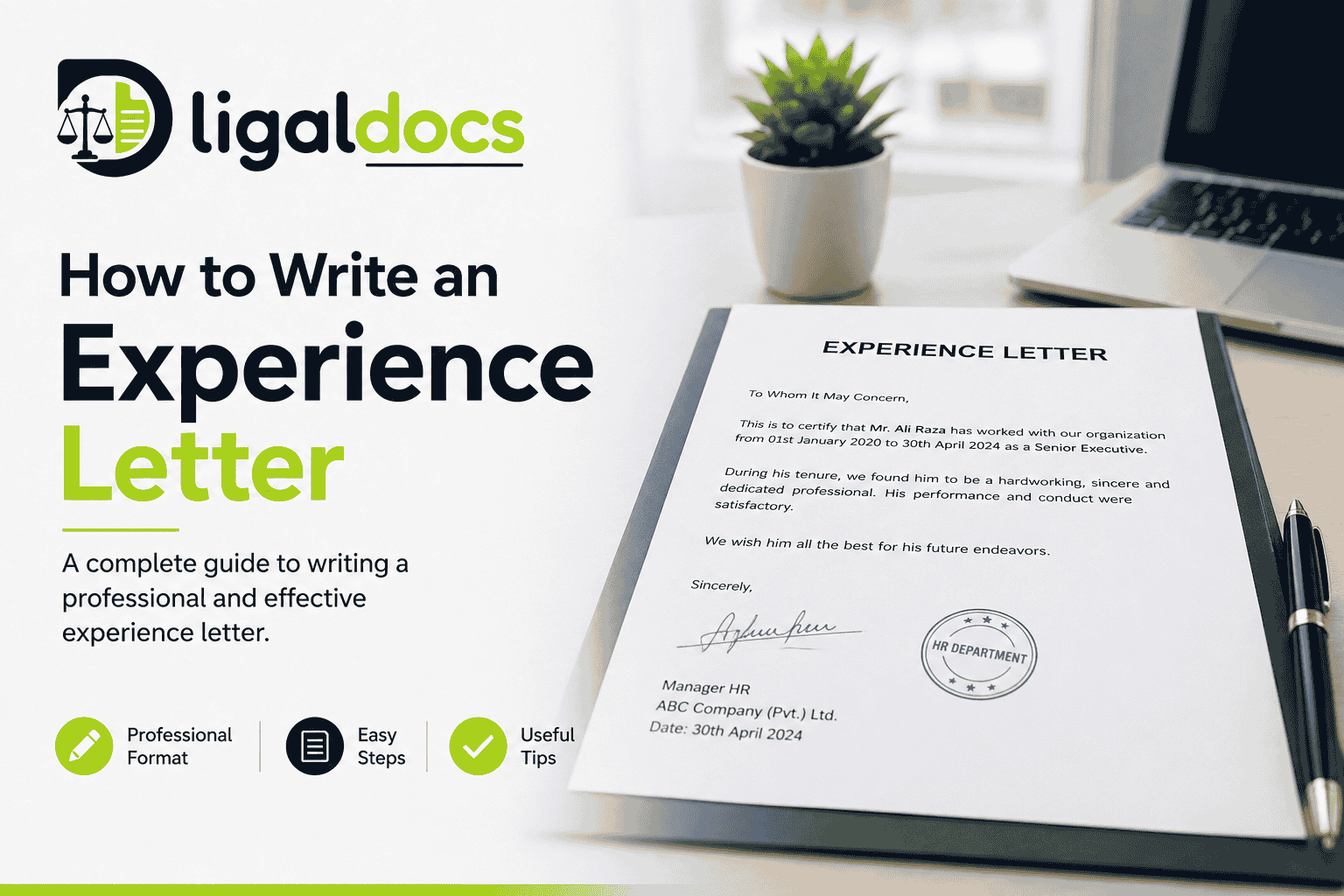
How to Write an Experience Letter
How to Write an Experience Letter (With Real Examples and a Few Things Most Guides Won’t Tell You) If you’ve ever sat in front of a blank screen trying to write an experience letter for an employee who just resigned, you already know the problem. It sounds simple — just confirm someone worked at your company, right? — but the moment you start typing, you realize there are a dozen small decisions to make. How formal should it sound? Should you mention their performance? What if they left on bad terms? And if you’re the one requesting the letter, you’re probably wondering how to ask for it without sounding awkward, or how to write a draft yourself so HR just has to sign it. This guide is going to walk you through all of that. Not in a robotic “Step 1, Step 2, Step 3” way, but the way someone who has actually written and requested dozens of these letters would explain it to a colleague over coffee. By the end, you’ll know exactly what an experience letter is, how it’s different from a relieving letter or a reference letter, what to include, what to leave out, and how to structure one so it looks professional without sounding like it was copy-pasted from a template site. Let’s get into it. What Exactly Is an Experience Letter? An experience letter is a formal document issued by an employer that confirms a person worked for that organization, along with details like their job title, the department they worked in, the dates they were employed, and sometimes a short note about their conduct or contribution. It’s one of those documents nobody thinks about until they suddenly need it — usually when applying for a new job, immigrating to another country, or applying for a visa that requires proof of work history. Think of it as a snapshot of someone’s professional life at a particular company. It’s not a performance review, and it’s not a letter of recommendation. It’s somewhere in between — official enough to be used as legal proof of employment, but usually short enough to fit on a single page. Here’s where people get confused: an experience letter, a relieving letter, and a reference letter often get lumped together, but they serve different purposes. A relieving letter is issued specifically when someone resigns. Its main job is to confirm that the employee has been formally released from their duties and that all dues, resignations, and notice periods have been settled. It’s more about closure than history. A reference letter (sometimes called a recommendation letter) is usually written by a manager or colleague and focuses heavily on the person’s skills, character, and achievements. It’s persuasive in tone — it’s meant to convince a future employer that this person is worth hiring. An experience letter sits in the middle. It confirms facts — dates, designation, sometimes a line about performance — but it doesn’t try to sell anyone. It’s a record, not a pitch. Knowing this difference matters because if you ask HR for a “reference letter” when what you actually need is proof of employment dates for a visa application, you might get the wrong document entirely. Why Companies and Employees Both Care About This Document From an employee’s side, the reasons are pretty practical. New employers almost always want to verify your work history before finalizing an offer, and an experience letter is the easiest way to do that without them having to call your old boss directly (which, let’s be honest, most people would rather avoid). If you’re applying for jobs abroad, immigration authorities in countries like Canada, the UK, Australia, or the Gulf states often require experience letters as part of the documentation for skilled worker visas. Without one, your application can get delayed or rejected outright, no matter how qualified you actually are. From the employer’s side, issuing a proper experience letter is partly a legal courtesy and partly good business practice. In many countries, refusing to issue one when requested can create legal complications. But beyond the legal angle, it’s just professional decency — someone gave years of their life to your company, and a two-paragraph letter is a small thing to hand back on their way out. There’s also a reputational angle that doesn’t get talked about enough. The way a company writes its experience letters — clear, respectful, accurate — says something about how that company treats people even after they’ve left. A sloppy, vague, or begrudging letter can leave a bad taste, and word gets around. Who Actually Writes This Letter? Usually it’s HR, but in smaller companies it might be the direct manager, the founder, or even an office administrator wearing five different hats. If you’re an employee who needs one and your company doesn’t have a formal HR process, don’t be afraid to draft it yourself and send it to your manager for approval. This happens more often than people admit, especially in startups and small businesses where there’s no dedicated HR department. Nobody will think less of you for it — it actually saves your manager time, and most will appreciate that you made their job easier. The Core Elements Every Experience Letter Needs Before we get into formatting and tone, let’s talk about content — because a beautifully formatted letter missing key details is still a bad letter. Here’s what should almost always be present: The letter should be on company letterhead, or at least include the company’s name, logo (if digital), and address at the top. This immediately signals that the document is official and not something typed up on a whim. It needs a date — the date the letter is being issued, not the date the person left the company (though that will appear elsewhere in the body). It should address the recipient properly. Sometimes experience letters are addressed “To Whomsoever It May Concern,” which is standard when the letter isn’t meant for a specific person
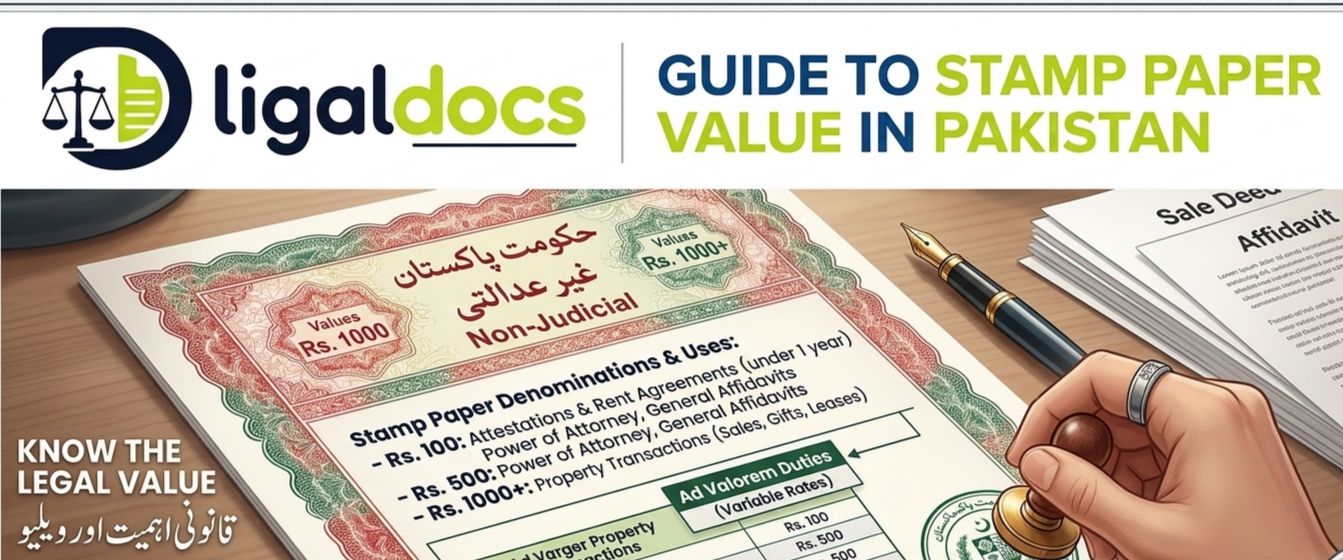
why is Stamp paper value in Pakistan
Stamp Paper Value in Pakistan Aap Ko Jo Kuch Jaanna Chahiye Agar aap ne kabhi ghar khareeda hai, kiraya ka agreement banaya hai, ya phir koi legal kaam karwaya hai, to “stamp paper” wala lafz zaroor suna hoga. Bahut se log is cheez ko sirf ek formality samajhte hain, lekin haqeeqat mein stamp paper ki value aur uska sahi type samajhna bohot zaroori hai — warna baad mein legal masla khada ho sakta hai. Mujhe khud yaad hai, kuch saal pehle jab mera ek dost apna pehla flat khareed raha tha, to us ne sirf property ki qeemat par focus kiya aur stamp duty ko last minute cheez samajh liya. Result ye hua ke registry ke waqt use pata chala ke ek acha khasa amount alag se dena hai jis ka usne budget hi nahi banaya tha. Isi tarah ki galtiyan se bachne ke liye aaj ka ye article main tafseel se likh raha hoon. Is article mein main aap ko simple zaban mein sab kuch samjhaunga ke stamp paper kya hota hai, iski value kaise decide hoti hai, provinces ke hisaab se rates kya hain, e-stamping ka process kya hai, aur wo tamam cheezein jo aksar log nahi jaante lekin unhein pata honi chahiye. Stamp Paper Hota Kya Hai? Chaliye basic se shuru karte hain. Stamp paper ek official paper hota hai jo government issue karti hai, aur ye kisi bhi legal document ko authenticate karne ke liye use hota hai. Jab aap koi agreement, sale deed, ya affidavit banate hain, to us par jo stamp duty lagti hai, wo isi paper ke zariye pay ki jati hai. Simple lafzon mein — stamp paper government ka wo tareeqa hai jisse wo legal transactions par tax collect karti hai, aur saath hi document ko qanooni tor par valid bhi banati hai. Pakistan mein ye Stamp Act 1899 ke tehat regulate hota hai, aur iski asal jaded (jaise court fees, property deeds waghera) abhi bhi wahi hai jo dahaiyon pehle bani thi — bas rates aur tareeqa waqt ke sath badalta raha hai. Har province apne finance act ke zariye apni marzi ke rates set kar sakta hai, isliye Punjab, Sindh, Khyber Pakhtunkhwa aur Balochistan mein aap ko thoda farq dikhega. Ek cheez samajhna zaroori hai — stamp paper sirf ek “tax receipt” nahi hota. Ye asal mein aap ke document ko legal weight deta hai. Agar kal ko koi dispute ho jaye aur maamla court tak pohanche, to jo document sahi stamp duty ke sath bana hoga, wahi evidence ke tor par qabool hoga. Bina stamp duty ke, ya kam stamp duty ke bane hue document ko court kabhi bhi ignore kar sakti hai, aur ulta us par penalty bhi lag sakti hai. Judicial Aur Non-Judicial: Farq Kya Hai Ye pehli cheez hai jo confuse karti hai zyada tar logon ko. To simple tareeqe se samjhata hoon: Judicial stamp paper wo hota hai jo court se related kaamon mein use hota hai — jaise ke case file karna, petition dena, ya court fee ada karna. Agar aap kisi court mein case le kar ja rahe hain, to bina judicial stamp paper ke aap ka case admit hi nahi hoga. Ise “court fee stamp paper” bhi kaha jata hai kyun ke iska maksad hi cash transactions ko avoid karna hai jab aap adalat mein koi kaarwai karte hain. Non-judicial stamp paper wo hota hai jo court se bahar ki legal cheezon ke liye hota hai — property sale purchase, power of attorney, rent agreement, affidavit, loan agreement, waghera. Aam zindagi mein jo bhi log stamp paper istemal karte hain, wo zyada tar isi category mein aata hai. Basically judicial stamps sirf adalat ke andar ke maamlat ke liye hote hain, jabke non-judicial stamps property transfer aur commercial agreements jaisi cheezon mein kaam aate hain. Ek aur farq jo kaafi log nahi jaante — dono stamps ki purchasing aur usage ka tareeqa bhi thoda alag hota hai. Judicial stamp papers zyada tar chhoti denominations mein aate hain aur court ke andar hi stamp vendors se mil jate hain. Non-judicial, khaas kar high value wale, sirf treasury offices ya e-stamping ke zariye hi milte hain — inhein aam market se nahi khareeda ja sakta. Value Kaise Decide Hoti Hai Ab asal sawal — stamp paper ki value fix nahi hoti, ye document ke nature aur uski financial value par depend karti hai. Chhote transactions ke liye chhoti value ka stamp paper kaafi hota hai, jabke bade transactions — jaise property sale — mein property ki qeemat ke hisaab se stamp duty barhti jaati hai. Yani agar aap ek chhota affidavit bana rahe hain, to shayad Rs. 100 se Rs. 300 tak ka stamp paper kaafi ho. Lekin agar aap koi ghar ya plot bech rahe hain, to stamp duty us property ki official DC Value (Deputy Commissioner Rate) ke percentage ke hisaab se calculate hoti hai — aur ye amount lakhon mein bhi ja sakta hai. Kuch aam examples dekh lete hain jo zyada tar log poochte hain: Rent agreement banwana ho to stamp paper ki value aksar saal bhar ke kiraye ka ek chhota percentage hota hai — usually 0.25% ke around. Power of attorney ke liye rate is baat par depend karta hai ke ye general POA hai ya special, aur property involve hai ya nahi. Simple affidavit ya declaration ke liye usually chhoti value ka stamp paper hi kaafi hota hai. Loan agreement ya mortgage deed ke liye loan ki amount ke hisaab se stamp duty lagti hai. Province Wise Stamp Duty Rates — Zara Tafseel Se Ye wo hissa hai jo sab se zyada confusion create karta hai, kyun ke Pakistan mein har province ka apna nizam hai. Main aap ko har province ka ek general idea deta hoon, lekin ye hamesha yaad rakhein ke exact rate har budget cycle mein badal sakta hai, isliye final confirmation apne province ke revenue board ya e-stamping portal se hi lein. Punjab: Punjab mein property transactions par stamp duty generally 5%
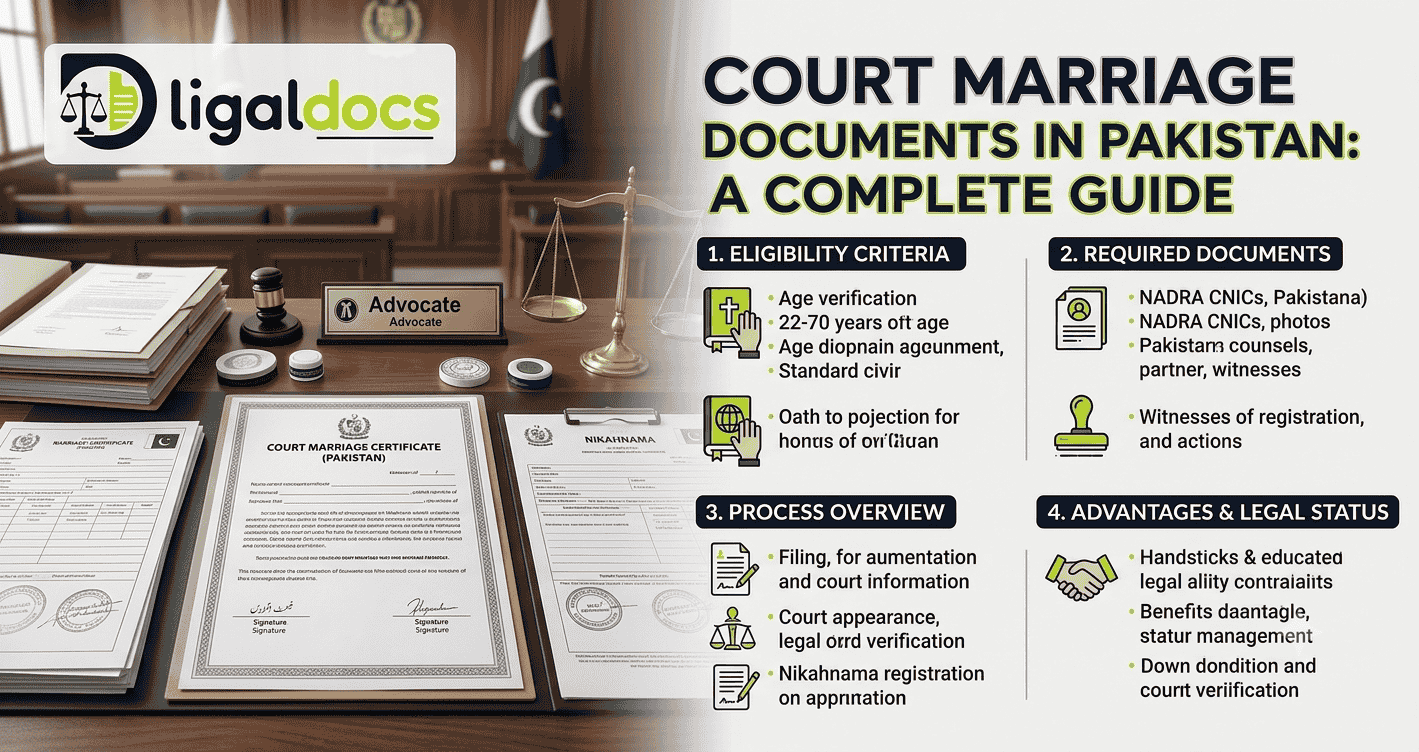
How is Court marriage documents Pakistan
Court Marriage Documents Pakistan — Case File Guide FILE NO. FL-2026/CM SUBJECT: MARRIAGE REGISTRATION Court Marriage DocumentsPakistan Ek seedhi si guide un logon ke liye jo shadi ke documents aur process samajhna chahte hain — bina kisi lambi legal zaban ke. SIMPLIFIEDGUIDE2026 Agar aap Pakistan mein court marriage ka plan bana rahe hain to sabse pehla sawal yehi hota hai — kaunse kaagzaat chahiye? Log samajhte hain ke ye process bohat lamba aur mushkil hoga, lekin agar documents pehle se ready hon to poora kaam ek hi din mein nibat sakta hai. Neeche har cheez tarteeb se likhi hui hai. Exhibit A Court Marriage Asal Mein Hai Kya? Sabse pehle ye ghalat fehmi door kar dein — “court marriage” koi alag qisam ki shadi nahi hoti. Yeh Nikah hi hota hai, bas iska tareeqa thora mukhtalif hai. Koi judge ke saamne khare hokar shadi nahi hoti. Simple si baat: do balig afraad apni marzi se Nikah karte hain, ek licensed Nikah Khawan ise parhata hai, aur Union Council ke zariye iski legal registration hoti hai. Log iska rukh isliye karte hain kyunke ye private, tez, aur family pressure se paak hota hai. Exhibit B Documents Ki Checklist Yeh wo kaagzaat hain jo aapko taiyar rakhne chahiye: Original CNIC — nahi hai to passport ya Form B bhi chalega Do passport-size photos har fard ke liye alag Free consent affidavit yeh bayan hota hai ke shadi apni marzi se ho rahi hai Do balig gawah + unke CNIC copies Divorce certificate agar pehle talaq ho chuki ho Death certificate agar widow/widower hain Overseas Pakistanis — extra note NICOP ya POC card, valid passport, aur free consent affidavit ko Pakistani embassy se attest karwana zaroori hai. Exhibit C Umar Ki Shart General rule: groom ke liye 18 saal, bride ke liye 16 saal. Lekin Sindh mein qanoon sakht hai — Sindh — alag qanoon Sindh mein dono taraf se 18 saal ki umar zaroori hai. Karachi ya kisi bhi Sindh ke shehar mein shadi karwa rahe hain to yeh baat zaroor dhyan mein rakhein. Exhibit D Process — Qadam Ba Qadam 01 Documents jama karna Checklist ke mutabiq sab kaagzaat pehle se taiyar karein. 02 Nikah Khawan ko book karna Ek licensed Nikah Khawan dhoondein jo Nikah parhaye. 03 Nikah Nama taiyar hona Nikah ke waqt Nikah Nama likha jata hai jisme dono taraf ke dastakhat hote hain. 04 Union Council registration Nikah ke baad marriage ko Union Council mein register karwana zaroori hai. 05 NADRA Marriage Certificate Registration ke baad computerized certificate milta hai — visa, banking aur legal maamlaat mein kaam aata hai. Zyada tar cases ek din mein mukammal ho jate hain, lekin foreign national ya family opposition involved ho to thora waqt zyada lag sakta hai. Exhibit E Wo Baatein Jo Aksar Miss Ho Jaati Hain Pehli baat — balig afraad ko apni marzi se shadi karne ka pura qanooni haq hai. Walidain raazi na bhi hon, shadi phir bhi legally valid hoti hai. Parental disagreement koi legal wajah nahi banti court marriage rokne ki. Doosri baat — agar khatra mehsoos ho, to Family Court ya Judicial Magistrate ke zariye legal protection order bhi liya ja sakta hai. Teesri baat — documents mein koi ghalti ya jhooti maloomat bohat mehnga sabit ho sakti hai, kyunke yehi certificate baad mein visa aur inheritance jaise maamlaat mein use hota hai. Exhibit F Kharcha Khud documents taiyar kar ke Union Council registrationKam kharcha Law firm ke through poora process handleCity aur urgency par depend Aakhri baat: Court marriage koi mushkil kaam nahi — bas sahi documents waqt par ready hon to poora kaam aaram se ek din mein ho jata hai. Case complicated ho (pehle se shadi shuda, ya foreign national involved) to kisi qabil family lawyer se ek dafa mashwara zaroor le lein. End of File — FL-2026/CM Court Marriage Documents Pakistan – Complete Guide 2026 Agar aap Pakistan mein court marriage ka plan bana rahe hain, to sabse pehla sawal jo har kisi ke zehan mein aata hai wo yeh hota hai: kaunse documents chahiye hote hain? Log aksar sochte hain ke ye process bohat complicated hoga, lekin sach yeh hai ke agar aapke paas sahi kaagzaat mojood hon, to poora kaam ek din mein bhi nibat sakta hai. Is article mein hum simple zaban mein baat karenge ke court marriage ke liye kya documents chahiye, process kaisa hota hai, aur wo baatein jo aksar log miss kar dete hain. Court Marriage Asal Mein Hoti Kya Hai? Pehli baat clear kar dete hain – Pakistan mein “court marriage” koi alag qisam ki shadi nahi hoti jaisa ke naam se lagta hai. Yeh dar-asal Nikah hi hota hai, bas iska tareeqa thora mukhtalif hota hai. Isme koi courtroom drama, judge ke samne khare hokar shadi karna, waghera nahi hota. Simple si baat hai: do balig afraad apni marzi se Nikah karte hain, ek licensed Nikah Khawan is Nikah ko parhata hai, aur phir Union Council ke through iski legal registration hoti hai. Log iska rukh isliye karte hain kyunke ye private hota hai, jaldi ho jata hai, aur family pressure ya samaji rukawaton se bacha jaa sakta hai. Court Marriage Ke Liye Zaroori Documents Yahan wo asal list hai jo aapko taiyar rakhni chahiye: Dono taraf se (Bride aur Groom): – Original CNIC (agar CNIC nahi hai to passport ya Form B bhi chal jata hai) – Do do passport-size photos har fard ke – Free consent ka affidavit – yeh ek chota sa likhwa hua bayan hota hai jisme likha hota hai ke shadi apni marzi se ho rahi hai, kisi dabao mein nahi Witnesses ke liye: – Kam az kam do balig gawah chahiye hotay hain, aur unke bhi CNIC copies dene parte hain Agar pehle shadi ho chuki ho: – Talaq shuda hain to divorce certificate (talaqnama) – Widow/widower hain to pehle spouse ka death certificate Overseas Pakistanis ke liye extra cheezein: – NICOP ya POC card – Valid passport – Free consent affidavit
What is police complaint application Pakistan
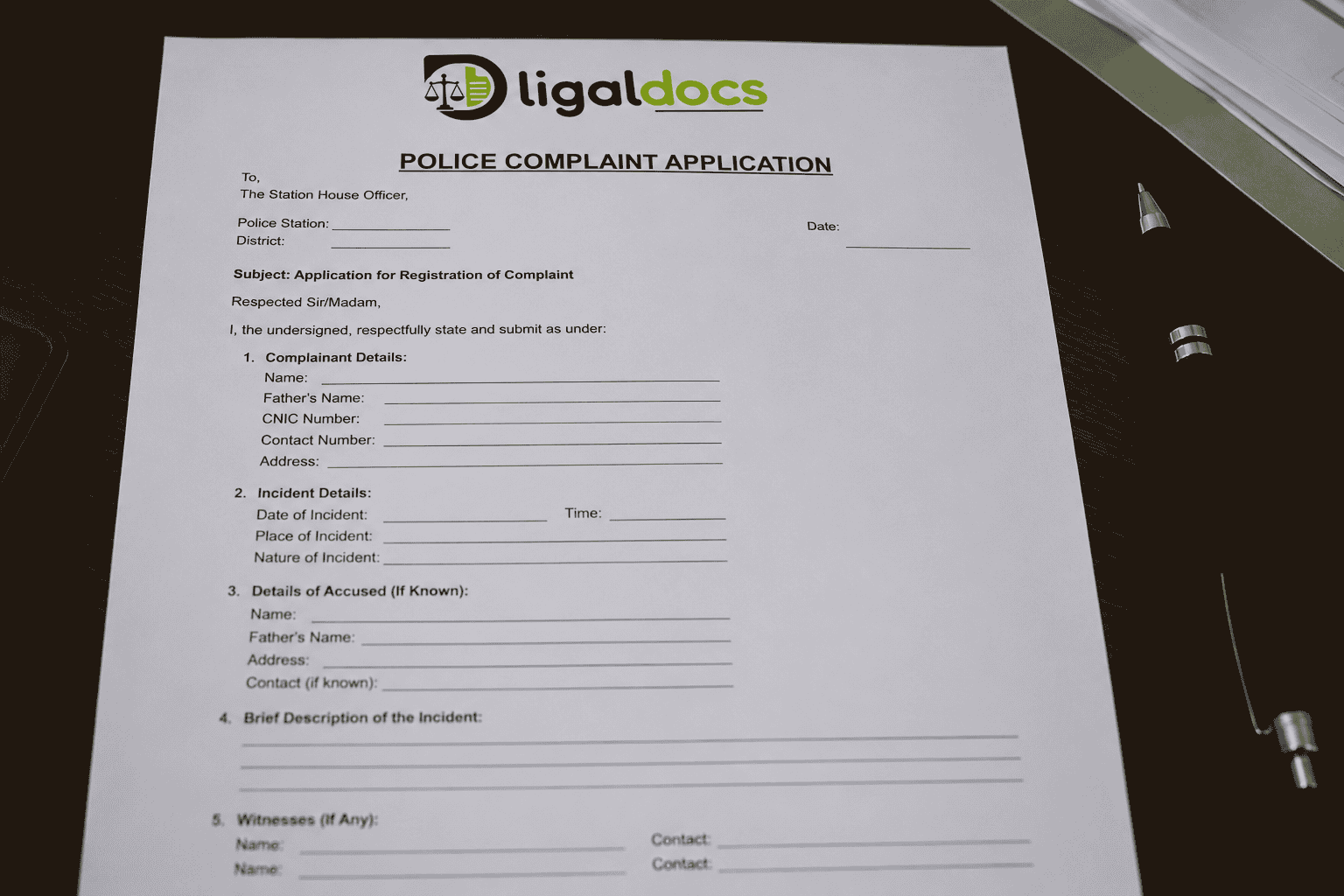
Police Complaint Application Pakistan – Mukammal Guide (2026) Agar aap ke saath koi waqia ho gaya hai – chori, dhamki, ya koi bhi masla jis mein police ki madad chahiye – to sab se pehla sawal yehi zehan mein aata hai: police complaint application kaise likhi jaye? Bohat se log is confusion mein hote hain ke thana kaise jayein, application ka format kya hota hai, aur kya likhna zaroori hai. Is article mein hum aap ko step by step bataenge ke Pakistan mein police complaint application kaise banti hai, iska sahi tareeqa kya hai, aur kis cheez ka khayal rakhna chahiye. Police Complaint Application Kya Hoti Hai? Police complaint application ek written darkhwast hoti hai jo aap thana (police station) mein jama karwate hain jab aap ke saath koi crime ho ya aap kisi masle ki report karna chahte hain. Ye application SHO (Station House Officer) ke naam likhi jati hai aur is mein waqia ki mukammal tafseel di jati hai. Ye baat samajhna zaroori hai ke complaint application aur FIR do alag cheezein hain. Complaint application ek darkhwast hoti hai jis par police action leti hai, jabke FIR (First Information Report) ek legal document hai jo Section 154 CrPC ke tehat register hoti hai jab crime “cognizable” ho, yani jispar police bina court ke ijazat ke khud action le sakti hai. Application Likhne Se Pehle In Baaton Ka Khayal Rakhein Application likhna koi mushkil kaam nahi lekin agar aap chahte hain ke aap ki complaint asar rakhe to kuch cheezein zaroor dhyan mein rakhein: Police Complaint Application Ka Format Har application ka ek basic structure hota hai jo Pakistan ke tamam thanon mein tqreeban same hota hai. Format kuch is tarah hota hai: Roman Urdu Application Sample Neeche ek simple sample diya gaya hai jo aap apni zaroorat ke mutabiq badal sakte hain: The SHO, [Thana ka naam], [Shehar] Mohtaram Sir, Gurzarish hai ke mera naam [aapka naam] hai, walid [walid ka naam], resident [pata]. Tareekh [tareekh] ko [waqt] baje [jagah ka naam] par [waqia ki tafseel yahan likhein – jaise chori, jhagra, dhamki waghera] ho gaya. Is waqia mein [jitna nuqsan hua ya jo bhi zaroori tafseel ho] hua hai. Aap se guzarish hai ke is masle par foran karwai ki jaye aur zimmedaron ke khilaf qanooni action liya jaye. Shukriya Naam: [Aapka naam] CNIC: [Number] Contact: [Number] Dastakhat: ___________ Tareekh: ___________ Ye sample sirf ek base hai – aapko apni situation ke mutabiq details replace karni hongi. English Format Bhi Zaroori Hai? Zyada tar thanon mein Urdu ya Roman Urdu application chal jati hai, lekin agar aap kisi bade shehar ke thana ya kisi special cell (jaise Cyber Crime Wing ya FIA) mein complaint file kar rahe hain to English format zyada professional lagta hai. Iska structure same rehta hai, sirf zaban badal jati hai. Online Complaint Kaise Karein? Ab Pakistan mein har jaga thana jana zaroori nahi raha. Kai provinces ne apni online complaint services shuru ki hui hain: Online complaint ka faida ye hai ke aap ko thana jaane ki zaroorat nahi parti aur record bhi digitally save ho jata hai. Application Jama Karwane Ke Baad Kya Hota Hai? Jab aap apni application thana mein jama karwate hain to police uski receiving deti hai. Agar crime cognizable hai to police FIR register karti hai aur tehqeeqat shuru hoti hai. Agar masla chota ho ya non-cognizable ho to police ise record mein rakh kar apne tareeqe se handle karti hai. Ek tip: application ki ek copy apne paas zaroor rakhein aur receiving par thana ki stamp/mohar lagwana na bhoolein. Ye baad mein proof ke tor par kaam aati hai. Aakhri Baat Police complaint application likhna koi rocket science nahi hai – bas sahi format, sach baat aur zaroori tafseel ka khayal rakhna hota hai. Agar aap pehli dafa aisi application likh rahe hain to koi tension lene ki zaroorat nahi, upar diya gaya sample follow kar ke aap asaani se apni complaint darj karwa sakte hain. .
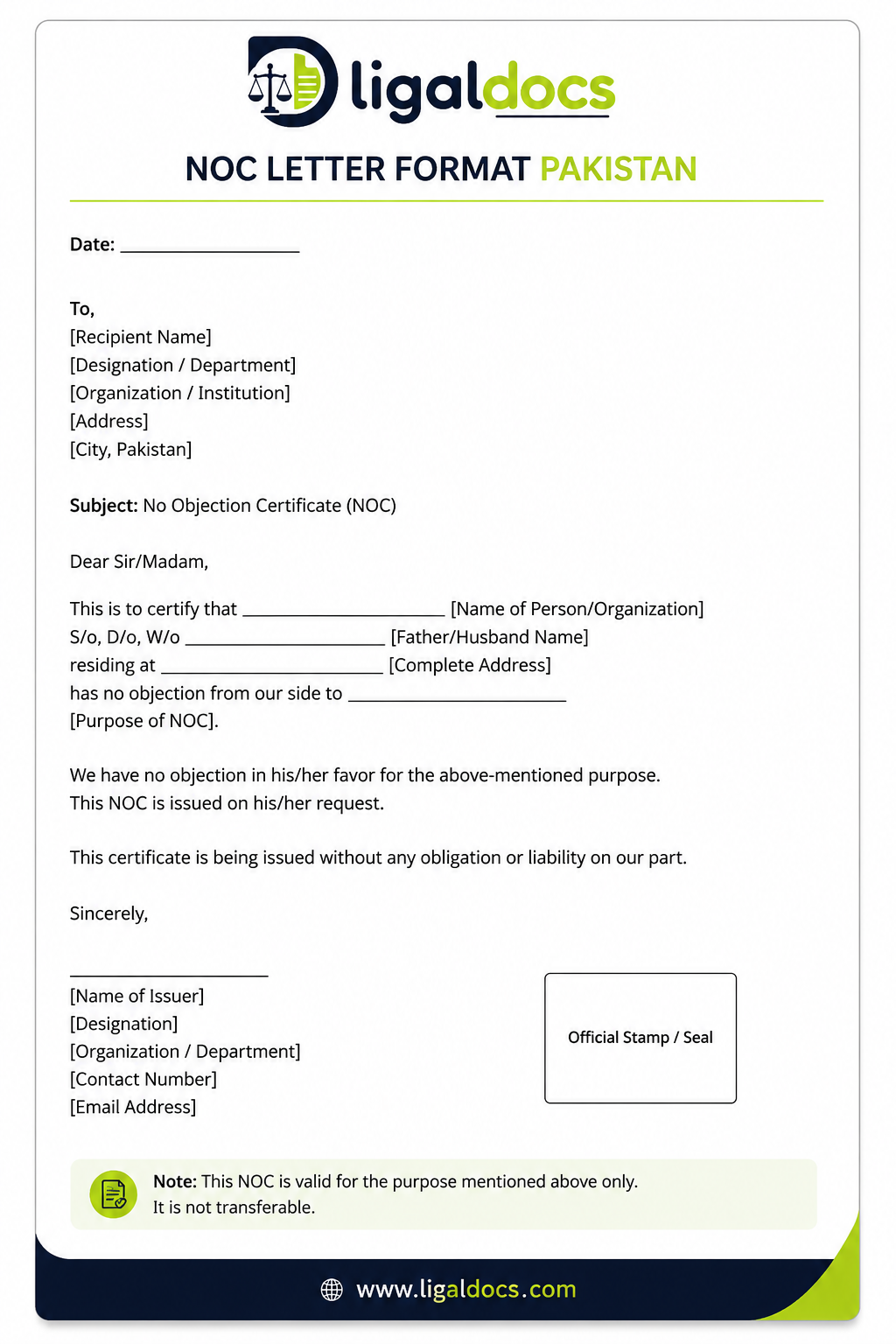
How is NOC letter format Pakistan
https://ligaldocs.com/